




Overview
The Jerry Sherbin Fellowship is granted annually to one graduating K senior of promise, enabling them to spend 10 months exploring a topic of deep personal interest outside the U.S. The recipient will begin their travel by Sept. 1 following graduation, and submit a several-page update each quarter, as well as a final report that synthesizes their experience. They will also write to the fellowship’s sponsor before, during, and after the trip, and send them a copy of the final write-up. In the Fall term following their travel, the recipient will return to campus and discuss their year abroad, inspiring students to apply for the fellowship and helping to build a community of Sherbin Fellows.
On This Page:
- History
- Fellow Cohort
2023-2024
2024-2025
2025-2026
2026-2027 - Applicant Eligibility
- Project Requirements
- Project Requirements
- Application Deadline and Timeline
- Application Components
- Selection Criteria
- Application
History
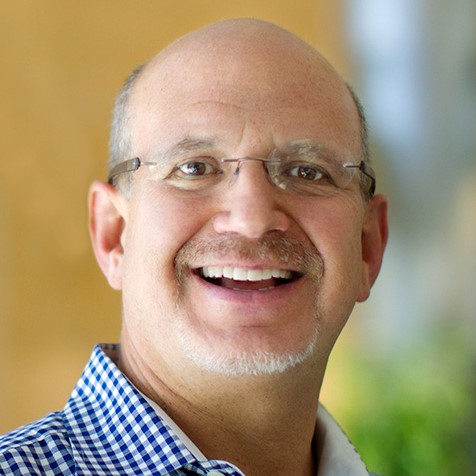
Kalamazoo College alumnus Robert Sherbin ’79 established the Jerry Sherbin Fellowship, named in honor of his father, which each year provides one K graduating senior with a stipend to pursue an academic year post-graduation, independently exploring a subject of deep personal interest outside the United States. Applicants are assessed based on their proposal’s creativity and personal significance, their passion for the subject, and how the work may shape their future plans. The first fellowship abroad was awarded in spring 2023.
Read more about the founding of the Jerry Sherbin fellowship here: https://www.kzoo.edu/news/fellowship-abroad/
Sherbin Fellow Cohort
2023-2024 Fellow, Elle Waldron
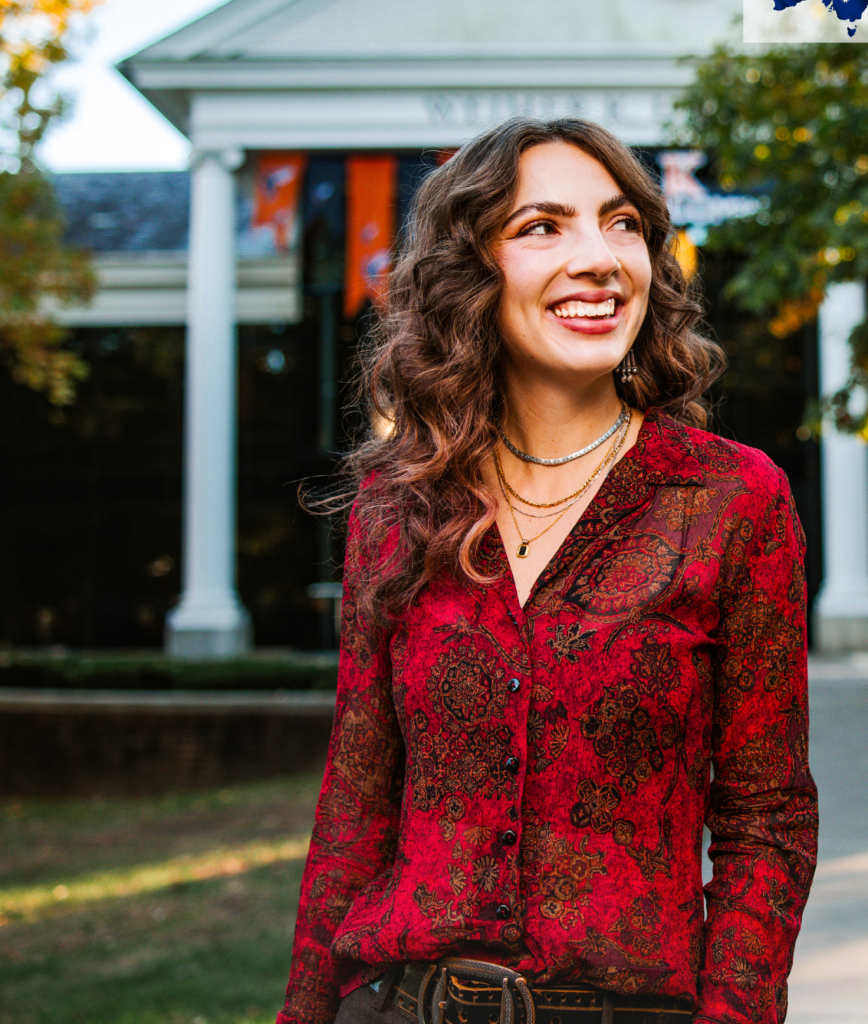
Fellow: Elle Waldron, ’23
Major: Women and Gender Studies
Project Title: Understanding How Feminist Organizations Are Making Change
Project Countries: Australia, New Zealand, South Africa, Costa Rica, Spain
Project Summary/Guiding Questions: Visiting, observing, and participating in feminist organizations and communities. What feminist methods and processes outside of state institutions are feminists using today? How are people and organizations reaching beyond white, middle class feminism to consider the complex connections between feminism and systems of power and oppression?
Read more about Elle here: https://www.kzoo.edu/news/sherbin-fellowship/
2024-2025 Fellow, Sydney Salgado
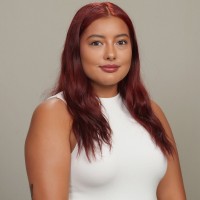
Fellow: Sydney Salgado, ’24
Majors: Religion, Spanish, International Area Studies
Project Title: Graves that Speak: Stories of Death, Devotion, and Art
Project Countries: Austria, Guatemala, Mexico, Colombia, Peru
Project Summary/Guiding Questions: Exploration of cemeteries as living archives of creativity and emotion. Every flower, color, and piece of stone tells a story about family, faith, and identity–Art doesn’t just exist for the living, but is appreciated through death as well.
Read more about Sydney here: https://www.kzoo.edu/news/alumna-widens-death-culture-studies-with-sherbin-fellowship/
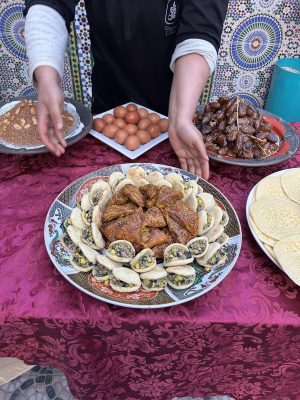
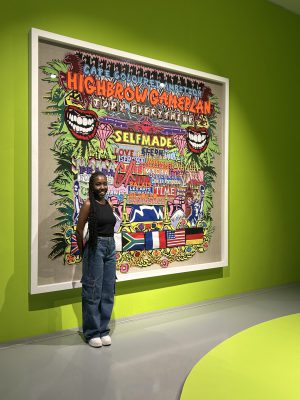
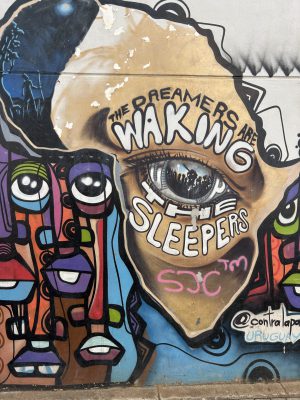
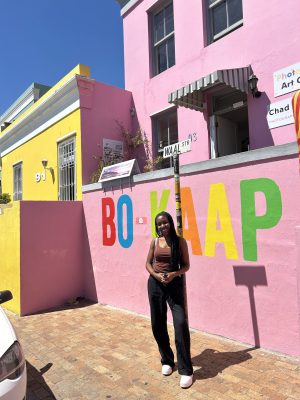
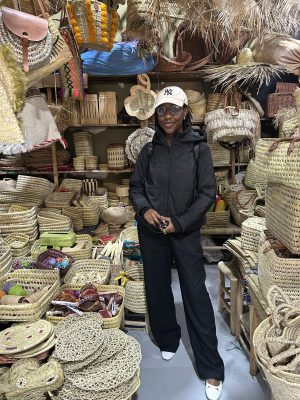
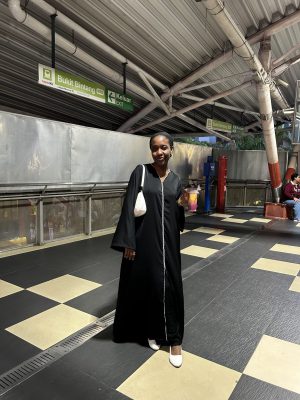
2025-2026 Fellow, Akinyi Okero
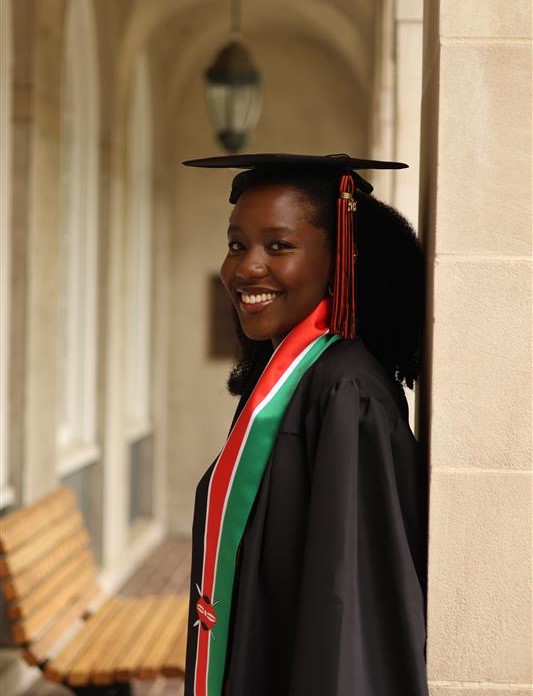
Fellow: Akinyi Okero ’25
Majors: French, Political Science
Project Title: Belonging and Becoming: Lessons of Identity, Resilience and Aspirations
Countries: Malaysia, South Africa, Kenya, Morocco, Uganda
Project Summary/Guiding Questions: The project framework of ‘belonging’ and ‘becoming’ explores how migrants and refugees navigate their identities in host communities while simultaneously examining how these communities perceive and respond to demographic changes.
Learn more about Akinyi here: https://www.kzoo.edu/news/2025-sherbin-fellow/
2026 – 2027 Fellow: Elliot Russell

Fellow: Elliot Russell
Major: English
Project Title: Liquid Architecture: Sound, Performance, and Freedom in Urban Space
Project Countries: United Kingdom, Mexico, Brazil, Australia, and Hong Kong
Project Summary/Guiding Questions: “Music is liquid architecture” is the quote, commonly attributed to Johann Wolfgang von Goethe, from which I derived the title for my Sherbin Fellowship project. This phrase underscores my belief that sound, like architecture, has the power to fundamentally shape the ways that people live alongside one another. I want to create a documentary film that explores the urban soundscapes of metropolises around the globe, investigating the following question: how do city-dwellers navigate diverse cultural norms and government regulations to use public spaces — streets, parks or subways, for example — as venues for performance? I plan to visit cities in five countries around the world — the United Kingdom, Mexico, Brazil, Australia, and Hong Kong — where I’ll do ethnographic research with people like buskers or street vendors who sculpt soundscapes by making the street their stage.
Read more about Elliot here: https://www.kzoo.edu/news/sherbin-fellow-2026/
Applicant Eligibility
- May be from any country or academic major
- Must be seniors (graduating during the academic year)
- Have strong academic standing (no minimum GPA)
Project Requirements
- Minimum of 3 countries, excluding US territories
- Must depart the US by September 1st of grant year
- Choose countries where you have not spent significant time (≥ 1 month) and where you do not have family members. The purpose of the fellowship is to broaden horizons
- Travel not permitted to countries with a level 4 State Department travel advisory
- May not be concurrently enrolled in an academic program or employed
- Open to all academic disciplines
Application Deadline and Timeline
- Thursday of 4th Week, Fall Term: Application Opens
- Thursday of 3rd Week, Winter Term: Completed Applications must be submitted by 11:59 pm
- Friday of 6th Week, Winter Term: Finalists are selected and notified.
- Friday of 10th Week, Winter Term: Finalists upload the final, edited versions of their applications. Faculty Recommender forms are submitted.
- 2nd week, Spring Term: Finalists interview with the selection committee.
- Friday of 3rd week, Spring Term: Recipient and Alternate are selected and notified
Application Components
The application process has two rounds.
Initial Round Components (due Thursday of 3rd week, Winter Term)
- Advising Appointment with Jessica Fowle (Sherbin Fellowship Coordinator)
- Biographical Questionnaire
- Personal Statement
- Must be no longer than 1500 words and will be uploaded to application. This should describe how and why this is your project – how it reflects your talents, concerns, and commitments; why you chose your topic, how it developed out of previous interests or experiences; and how it represents a new challenge. You may also want to describe your background, your college years, your professional goals and aspirations, and your reasons for seeking the Sherbin Fellowship. You will not get far if your Personal Statement is not personal.
- Project Proposal
- Must be no longer than 1500 words and will be uploaded to application. It is read in tandem with your Personal Statement so information should not be repeated. Describe your plan for the fellowship, including a description of your project and details about how you intend to carry it out. This is not meant to be an academic proposal (no references needed), but rather it should describe an independent and sustainable project, in as much detail as possible, that comes from your heart, whether it is a deep interest or a new one you developed while on study abroad. The most important project criterion is that it suits the person you are.
- Names and Contact Information for Two Faculty Recommenders
- You should contact potential recommenders and ask them if they would fill out the Sherbin Fellowship Faculty Recommender Form if you are nominated by the Faculty Committee as a finalist. Inform them that they would have a 4-week window in March to submit the form. You will only be asked to submit names as part of the initial application.
- Resume
- Estimated Budget
- Travel information
- All prior travel outside of the US must be documented on the application, as instructed.
- Other information
- Fill out all of the questions on the Application Questionnaire to the best of your abilities.
Finalist Round (due Friday of 10th week, Winter Term)
- Revised Project Proposal and Personal Statement
- Selected applicants will receive feedback from the selection committee to incorporate into revisions/edits
- Faculty recommendations
- Interview with selection committee (will occur 2nd week, Spring Term)
Selection Criteria
The selection committee will consider both the project you propose as well as the person that you are. They will use the following criteria to guide their review of applicants.
The Project:
- Organic – The project must grow from the candidate’s background, their interests, activities, and themes that they have shown active engagement in.
- Inspiring – It must be deeply meaningful to their life and provide the energy to sustain and propel them through the year’s ups and downs.
- Open – The project should take advantage of the fellowship’s unique latitude, flexibility and permission to fail.
- Bold but Realistic – The project should enable the candidate to stretch their imaginations and efforts but also be achievable.
- Connected – Applicants are encouraged, where appropriate, to reach out to relevant institutions and organizations.
- Three-dimensional – The project should include multiple approaches via methods, disciplines, and/or borders.
The Person:
- Leadership – Does the applicant demonstrate leadership skills?
- Responsibility – Has the applicant shown ownership in their work or community?
- Integrity – Has the applicant exhibited honest and principled behavior?
- Emotional Maturity – When faced with difficult personal challenges, how has the applicant responded?
- Imagination – Does the applicant show they think beyond the boundaries they are given?
- Independence – Does the applicant demonstrate that they can carve a personal path?
- Resourcefulness – Does the applicant deal effectively with problems when resources are scarce?
- Courage – Does the applicant show they persevere under moral, emotional, and physical challenges?
Application
The application is available between Thursday of 4th week, Fall Term and Thursday of 3rd week, Winter Term.